Category: All

  • Why Hyper-Local Advertising Wins More Shoppers

    Why Hyper-Local Advertising Wins More Shoppers

    Last week, we were reviewing a new set of ad creative with a dealership. One of the images featured a vehicle driving along a suburban road that looked strikingly familiar.

    The client looked at it for a moment, smiled, and said,

    “That literally looks like it’s a few streets behind our store.”

    It wasn’t.

    But that comment perfectly captured something many dealerships overlook.

    The best advertising doesn’t just showcase the right vehicle or the right offer. It feels like it belongs. When creative reflects the roads shoppers drive, the neighborhoods they recognize, and the environment they experience every day, it creates an immediate sense of familiarity. That familiarity builds credibility long before anyone reads the headline or clicks the ad.

    For years, localization has been viewed primarily as a media strategy. Dealers talk about targeting ZIP codes, adjusting radiuses, or focusing spend around specific markets. Those are important decisions, but they’re only part of the equation.

    The creative itself should be just as localized as the audience you’re trying to reach.

    Consumers Notice More Than You Think

    Advertising works best when it feels authentic.

    Research published in Computers in Human Behavior found that

    advertising aligned with a consumer’s geographic environment is perceived as significantly more relevant than advertising that feels disconnected from where they live.

    Relevance increases attention, and attention is the first step toward action.

    That may sound obvious, but it’s surprising how often dealerships unintentionally create the opposite effect.

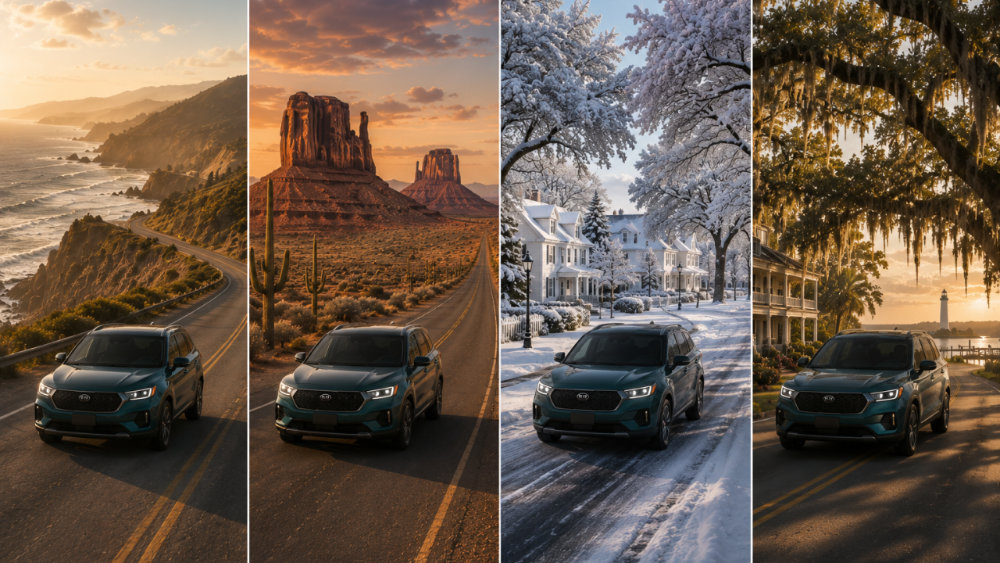
    A dealership in Southern California shouldn’t feature vehicles driving through fresh snow. A retailer in upstate New York probably shouldn’t showcase palm trees swaying in the background. A desert highway feels out of place for a dealer in coastal Florida, just as a beachfront scene doesn’t belong in rural Kansas.

    Most shoppers will never stop and think, “Those palm trees don’t belong.” They don’t have to. Their brain notices before they consciously do. The advertisement simply feels less believable.

    When creative doesn’t reflect the shopper’s world, it becomes easier to dismiss because it feels like it could have been created for any dealership in America.

    Local Means More Than Geography

    Hyper-Local creative isn’t about recreating a specific street corner or inserting a famous landmark into every advertisement.

    It’s about reflecting the character of the community.

    That includes the weather, the landscape, the roads, the architecture, the season, and even the lifestyle people associate with living there. A truck campaign in Texas should feel different than one in downtown Chicago. A family SUV driving through the mountains of Colorado tells a different story than one cruising the coastline of Southern California. Neither approach is better. They’re simply speaking to different audiences.

    That’s why our client’s comment stood out.

    They weren’t impressed because we had perfectly recreated their neighborhood. They were impressed because the creative felt familiar. It looked like the vehicle could have been photographed minutes from their showroom. That subtle sense of authenticity immediately made the advertising feel more believable.

    Consumers may not consciously recognize every local detail, but they absolutely recognize when something feels genuine.

    One Version No Longer Fits Every Market

    For decades, dealerships had little choice but to create one version of everything.

    • One television commercial.
    • One photoshoot.
    • One collection of images.

    Those same assets were expected to work in every campaign regardless of geography, season, or audience because creating dozens of variations simply wasn’t practical. Production was expensive. Revisions took time. Every additional version required more people, more approvals, and more budget. Today, that limitation has largely disappeared.

    AI-assisted creative production, when done correctly, makes it possible to produce localized imagery at a scale that would have been nearly impossible just a few years ago. Backgrounds can reflect local environments. Seasonal imagery can change throughout the year. Creative can adapt to regional inventory, weather, and promotions without starting from scratch every time.

    The conversation has shifted from, “Can we afford multiple versions?” to, “Why would every market receive the same creative?”

    That’s a very different way of thinking about dealership advertising.

    Relevance Is Becoming the Competitive Advantage

    Consumers are exposed to thousands of ads every day. Most disappear almost as quickly as they’re seen because they feel generic.

    The dealerships earning attention aren’t always spending the most. They’re creating ads that feel like they belong.

    That doesn’t require flashy production or elaborate storytelling. Sometimes it’s as simple as showing the right vehicle on the right road, in the right season, surrounded by an environment shoppers instantly recognize.

    I keep coming back to our client’s reaction.

    “That literally looks like it’s a few streets behind our store.”

    And that is exactly the point.

    The goal isn’t to recreate a neighborhood. It’s to create ads that feel like they were made for the people who live there. When shoppers can picture that vehicle on the roads they drive every day, the creative becomes more believable, the dealership feels more familiar, and the advertising becomes more effective.

    Sometimes the smallest creative decisions create the biggest competitive advantage.

  • The New Automotive Advertising Playbook

    The New Automotive Advertising Playbook

    Why Omnichannel Advertising Requires Omnicreative

    Automotive advertising has entered a new era, but much of the industry is still using an old playbook.

    For decades, success was built around creating one compelling television commercial, one monthly offer, and distributing that message as broadly as possible. Today’s consumer journey makes that approach increasingly ineffective. Buyers no longer move through a linear sales funnel, and they don’t consume media through a single channel. They discover vehicles through search, social media, streaming video, Connected TV, podcasts, websites, email, and dealership visits, often moving between those touchpoints dozens of times before making a purchase.

    The expectation has changed. Consumers no longer expect to see the same message everywhere. They expect every interaction to be relevant to where they are on their buying journey.

    Research from Google has shown that shoppers move unpredictably between channels, using each platform for a different purpose. Someone watching a YouTube vehicle review is looking for education. A shopper searching for “best lease deals near me” is looking for immediate action. A Facebook user may simply be discovering a vehicle they hadn’t previously considered. Delivering identical creative across each of those environments ignores the context in which consumers engage.

    That context matters because relevance consistently outperforms repetition.

    McKinsey has found that companies leading in personalization generate 40% more revenue from those efforts than their competitors, while the vast majority of consumers say they are more likely to purchase from brands that provide relevant experiences. Likewise, Google and Meta continue to emphasize that creative quality has become one of the largest drivers of advertising performance, often having a greater impact than audience targeting alone. Better targeting may determine who sees your message, but better creative determines whether that message is remembered.

    For automotive retailers, personalization extends well beyond inserting a shopper’s name into an email. Every vehicle category represents a different purchase decision. EV shoppers care about charging, range, and incentives. Truck buyers evaluate capability and towing. Luxury buyers are influenced by craftsmanship, technology, and ownership experience. Service customers value convenience, trust, and transparency. Treating these audiences with the same monthly sales message creates generic advertising that resonates with very few shoppers.

    The same principle applies across the buying journey. First-time visitors need inspiration and education. Returning shoppers need inventory updates, payment options, or reasons to act. Customers approaching lease maturity require entirely different messaging than owners simply researching future possibilities. Modern advertising platforms can now adapt creative dynamically based on audience behavior, CRM data, vehicle availability, market conditions, and predictive buying signals. Technology exists to make every impression more relevant than the last.

    Perhaps the biggest opportunity for dealerships, however, is something national advertisers simply cannot replicate: hyper-local creative.

    Automotive retail has always been local, yet much of today’s advertising still feels generic. Consumers respond to familiarity. They want to see the roads they drive every day, the neighborhoods they recognize, local landmarks, regional events, seasonal weather, and inventory that actually exists on the dealer’s lot. A truck campaign in rural Texas should not look or sound like one running in downtown Chicago. An EV campaign in Southern California should differ dramatically from one in northern Michigan during the winter. Local relevance builds authenticity, trust, and credibility in ways that templated creative never can.

    This is where artificial intelligence is beginning to reshape automotive marketing. Dealers can now produce localized creative at scale, generating versions tailored to specific markets, audiences, inventory levels, weather conditions, incentives, and media channels without sacrificing brand consistency. Instead of one campaign serving every shopper, a dealership can deploy hundreds of creative variations, each designed to match a specific consumer context.

    The business case for this approach is compelling. Google has reported that advertisers using responsive and dynamically optimized creative often achieve meaningful improvements in conversions because messaging better aligns with consumer intent. Dynamic Creative Optimization (DCO) studies from multiple ad technology providers have also demonstrated higher click-through rates and stronger engagement when creative adapts to audience signals rather than relying on static assets.

    This represents a fundamental shift in how competitive advantage is created. For years, marketers focused primarily on buying better media. Increasingly, the differentiator is not where you advertise, but what consumers see when they get there.

    The dealerships that will lead over the next decade won’t necessarily have the largest advertising budgets. They’ll have the most adaptable creative strategy. They’ll understand that omnichannel advertising requires omnichannel creative, where every message reflects the channel, the vehicle, the shopper’s intent, and the local market.

    In today’s automotive landscape, creative is no longer just the packaging around an advertising campaign.

    It is one of the most important drivers of its performance.

  • How AI Is Transforming Dealership Video Advertising : The End of One-Size-Fits-All Dealership Video

    How AI Is Transforming Dealership Video Advertising : The End of One-Size-Fits-All Dealership Video

    For years, effective dealership video advertising was not limited by creativity. It was limited by the budget and time required to continually produce relevant campaigns.

    If you had the resources, you could hire a production company, spend a day filming, and produce a library of polished commercials. If you had an in-house creative team, you could refresh those videos throughout the year as inventory changed, incentives evolved, and new campaigns launched.

    Most dealerships couldn’t.

    Instead, they relied on a handful of videos to carry every campaign. One commercial promoted multiple models. One message served every audience. The same creative appeared across search, social, YouTube, connected TV, and display regardless of who was watching.

    It wasn’t because marketers believed one-size-fits-all advertising worked. It was because creating anything else wasn’t practical.

    Today, that’s changed.

    The Rules of Video Advertising Have Changed

    The way consumers shop for vehicles has changed dramatically over the last decade.

    They research online, compare models across multiple brands, watch review videos, browse inventory, read customer reviews, and move between devices before ever speaking with a dealership. And advertising evolved alongside them.

    Today’s campaigns can target shoppers based on geography, online behavior, vehicle interest, previous website visits, household demographics, and dozens of other signals.

    Yet many dealerships still deliver the same creative to every one of those audiences.

    Dealerships have become remarkably sophisticated at deciding who should see an ad. We’ve spent far less time deciding what they should see.

    That disconnect is becoming one of the biggest limitations in dealership advertising.

    Relevance Is the New Competitive Advantage

    • A shopper researching a heavy-duty truck doesn’t think like someone shopping for their teenager’s first vehicle.
    • A customer comparing lease offers isn’t looking for the same information as someone searching for a certified pre-owned SUV.
    • Someone who has visited your website three times doesn’t need the same introduction as someone seeing your dealership for the first time.

    These aren’t small differences. They’re completely different conversations. The most effective advertising reflects those differences. Yet too often, they’re all being served the same creative.

    Not with a single commercial trying to appeal to everyone, but with creative designed for the audience, the vehicle, the offer, and the moment. For years, that level of relevance was simply too expensive and more importantly too time-consuming for most dealerships to maintain. Now it isn’t.

    AI Doesn’t Replace Creativity. It Removes the Bottleneck.

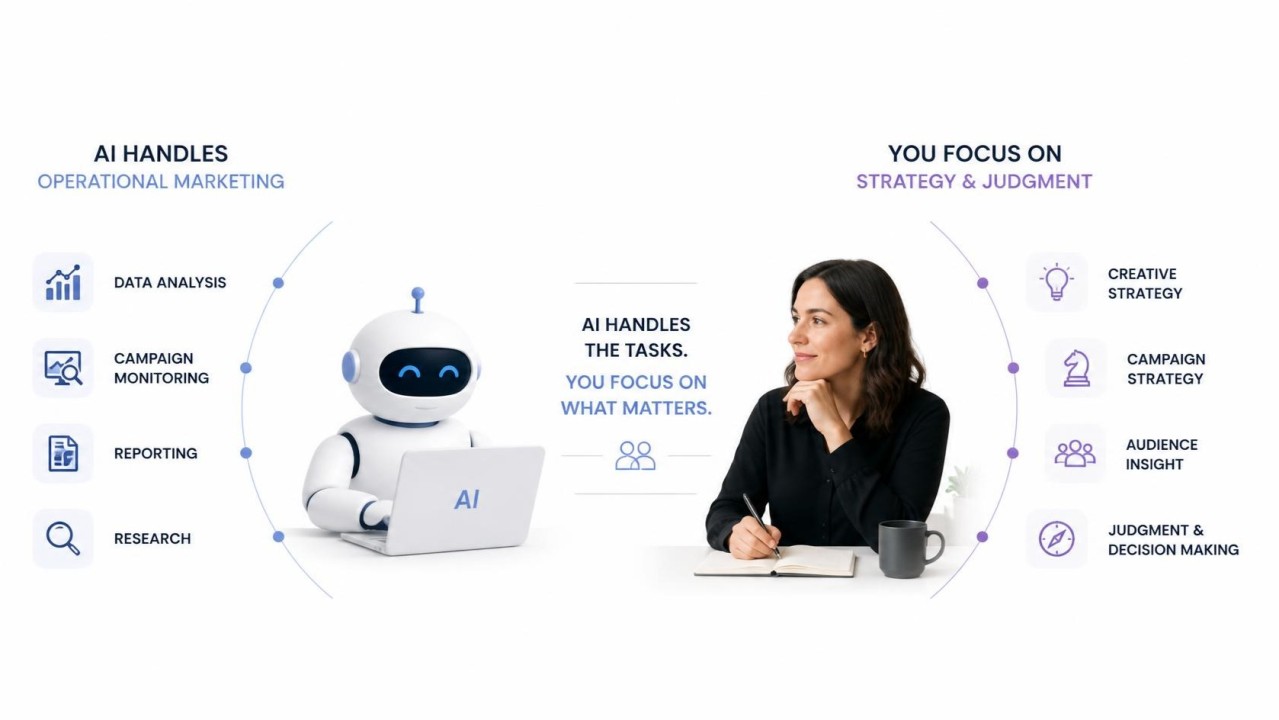
    One of the biggest misconceptions about AI is that it’s replacing marketers.

    It isn’t.

    Without guidance or prompting, AI doesn’t know which models you need to move. It doesn’t understand your local market. It doesn’t decide how your dealership should be positioned or what message will resonate with your customers.

    People do that.

    What AI changes is execution.

    Instead of spending days or weeks creating dozens of versions of the same campaign, dealerships can now produce relevant video at a speed and scale that simply wasn’t possible before. That doesn’t mean sacrificing creativity.

    It means removing repetitive production work so creative teams can spend more time doing what only they can do: developing better ideas, stronger messaging, and more effective campaigns.

    The strategy remains human. The execution becomes dramatically more efficient.

    A Capability Once Reserved for the Largest Dealer Groups

    Not long ago, maintaining a steady stream of fresh video required significant resources.

    Large dealer groups could afford dedicated creative teams, frequent production schedules, and agencies capable of producing new assets throughout the year.

    Most dealerships had to make a handful of videos last as long as possible.

    Artificial intelligence is changing that equation.

    Today, a single rooftop has access to capabilities that were once available only to organizations with much larger budgets. Existing creative, inventory, offers, and dealership branding can now be transformed into fresh, campaign-ready video without rebuilding every asset from the ground up.

    That levels the playing field.

    It allows single point dealerships and smaller groups to compete with the same consistency and agility as much larger organizations.

    Where Strategy Wins

    More video isn’t the goal. More relevant video is.

    That’s an important distinction.

    Producing hundreds of generic videos doesn’t create a competitive advantage.

    Producing the right video for the right shopper at the right stage of the buying journey does.

    That’s why strategy matters more than ever.

    The dealerships that succeed won’t be the ones using AI to replace creative thinking. They’ll be the ones using AI to execute smarter strategies more consistently than their competitors.

    At Proficy Digital, AI has become an extension of our creative process, not a replacement for it. Our platform continuously produces and refreshes video and image advertising using current inventory, active offers, dealership branding, and channel-specific formats. Every asset begins with human strategy and creative direction, then uses AI to scale execution across campaigns, audiences, and channels.

    That allows us to keep creative current as inventory changes, incentives evolve, and campaigns shift, without starting from scratch every time.

    The era of one-size-fits-all dealership video is ending. Not because creativity matters less.

    Because dealerships finally have the ability to deliver the right message to the right shopper at the right time.

    That isn’t just better video. It’s better advertising.

  • AI Isn’t Replacing Great Creative. It’s Finally Making It Possible.

    AI Isn’t Replacing Great Creative. It’s Finally Making It Possible.

    For years, the conversation around dealership advertising has focused on media buying.

    Which channels deserve more budget? Where should you target shoppers? How do you improve cost per lead?

    Those questions still matter. But they no longer represent the biggest challenge facing dealership marketing.

    Creative does.

    Not because dealerships have run out of good ideas or agencies have forgotten how to build compelling campaigns. The challenge is much more practical than that.

    Modern dealership marketing demands more creative than ever before. Every campaign now has to work across multiple channels, audiences, formats, and stages of the buying journey. What was once a handful of assets has become hundreds.

    That’s fundamentally changing the role creative plays in dealership advertising.

    It’s no longer just about producing great work. It’s about producing enough great work to keep pace with how consumers shop today.

    Creative Has Become an Operational Problem

    Not long ago, a dealership could launch a monthly campaign with a television commercial, a handful of display ads, some paid search, and a few social posts. That was enough to maintain visibility and generate traffic.

    Today’s buyer journey looks very different. Shoppers discover vehicles on social media, compare models on YouTube, search Google multiple times, visit dealership websites, and often return days or weeks later after encountering another ad somewhere else.

    Google’s research on the “Messy Middle” shows that shoppers move repeatedly between exploration and evaluation before making a purchase.

    As we’ve explored in previous articles, today’s path to purchase is anything but linear. The challenge is that creative now has to keep up with that journey.

    That means your creative can’t be linear either.

    A single message simply isn’t enough anymore. Different audiences require different messaging. Different channels require different formats. Inventory changes. Incentives change. Consumer interests change.

    The amount of creative required to support a modern dealership has expanded dramatically.

    The challenge isn’t having better ideas. It’s keeping up.

    One Campaign Isn’t One Campaign Anymore

    Launching a campaign used to be relatively straightforward. A dealership would create a television commercial, a few display ads, some paid search copy, and maybe a handful of social posts.

    Today, that same campaign has to work across Meta, YouTube, Connected TV, search, display, and an ever-growing list of digital channels. It has to support multiple audiences, adapt to different formats and screen sizes, reflect current inventory and incentives, and evolve as performance data comes in.

    Now multiply that by every model on the lot, every monthly offer, every seasonal event, and every profit center.

    One campaign no longer produces a handful of assets. It can easily produce hundreds.

    That’s before you test new messaging, refresh fatigued creative, localize campaigns for different markets, or respond to changes in inventory.

    The problem isn’t that creative teams lack talent or ideas. The problem is that the workload has outgrown the traditional creative process.

    More Creative Isn’t Enough. It Has to Be Relevant.

    Consumers don’t just expect more content. They expect content that feels relevant.

    According to McKinsey research, 71% of consumers expect companies to deliver personalized interactions, while 76% become frustrated when those expectations aren’t met. That expectation has fundamentally changed what dealership creative needs to accomplish.

    That’s a challenge for every dealership.

    The same generic creative can’t effectively speak to someone shopping for a heavy-duty truck, a first-time EV buyer, and a service customer due for maintenance. Even shoppers considering the same vehicle may respond to different messages depending on where they are in the buying process.

    Relevance has become just as important as reach. The challenge is producing that level of relevance consistently without slowing everything else down.

    This Is Where AI Changes the Conversation

    The opportunity isn’t replacing creative. It’s removing the production constraints that have limited it for years.

    Instead of asking creative teams to produce more with the same time and resources, AI makes it possible to execute at a scale traditional workflows simply can’t match. Campaigns can adapt to different audiences, channels, formats, and changing inventory without creating bottlenecks for the people responsible for strategy.

    That’s the real shift. The question is no longer, Can we produce enough creative? It’s, What’s the best creative to produce?

    The Next Competitive Advantage

    The dealerships that outperform the market over the next decade won’t necessarily have the biggest budgets or the largest creative teams.

    They’ll rethink how creative gets done.

    Instead of asking people to produce more, they’ll use AI to handle the repetitive work, freeing their teams to focus on strategy, storytelling, and smarter marketing decisions. That’s what it means to be AI-native.

    The future won’t be won by creating one great advertisement. It will be won by building a creative system capable of delivering the right message, to the right shopper, at the right time, at the scale modern marketing demands. Because AI isn’t replacing great creative. It’s finally making it possible.

    The question for dealership leaders isn’t whether AI will change marketing.

    It’s whether their marketing operation is ready for it.

  • The Untapped Audio Opportunity in Automotive Advertising

    The Untapped Audio Opportunity in Automotive Advertising

    The automotive industry has long since embraced digital marketing.

    Many dealers invest heavily in paid search, social media, display advertising, Connected TV, and online video. These channels have transformed how we reach consumers, measure performance, and optimize campaigns.

    But there is one channel that continues to be overlooked despite its explosive growth and remarkable ability to capture attention.

    Podcasts.

    The question isn’t whether podcasts are growing.

    The question is whether dealerships can continue to ignore them.

    The Podcast Audience Is No Longer Niche

    Podcasting has evolved from a niche medium into one of the largest and fastest-growing forms of media consumption.

    According to Edison Research’s The Infinite Dial 2025:

    • 73% of Americans age 12+ have listened to a podcast.
    • 55% listen every month.
    • 40% listen every week.
    • More than 115 million Americans now consume podcasts weekly.

    Podcast consumption has more than doubled over the past decade and continues to reach new audiences every year.

    This is no longer an emerging channel.

    It is mainstream media.

    The Attention Economy Has Changed

    Most advertising today competes in environments filled with distractions.

    Consumers scroll social feeds while watching television.

    They skip ads.

    They multitask.

    They receive dozens of notifications every hour.

    Attention has become the most valuable currency in advertising.

    Podcast listening is fundamentally different.

    Unlike display advertising or social media, podcast audiences intentionally choose content they want to hear. Episodes often last 30 to 90 minutes, and listeners frequently consume entire episodes during commutes, workouts, travel, or household activities.

    Research from Nielsen consistently shows that podcast listeners demonstrate higher levels of ad recall, brand awareness, and purchase intent than many traditional digital channels because the advertising is integrated into an environment built on trust and engagement.

    Simply put, podcasts create attention, not interruption.

    Audio Builds Demand Before Search Ever Happens

    One of the biggest misconceptions in automotive marketing is that search creates demand.

    Search captures demand.

    The customer has already decided to start shopping.

    The real opportunity exists much earlier.

    Upper-funnel media influences consideration before someone ever states their intent in the lower funnel.

    Podcasts excel at this stage.

    A listener may hear your dealership or OEM message multiple times over several weeks while commuting to work.

    Months later, when they enter the market for a vehicle, your brand is already familiar.

    That’s the power of upper-funnel advertising.

    It creates mental availability before purchase intent becomes visible.

    By the time a shopper reaches the lower funnel, much of the buying decision has already been influenced.

    Podcasts Extend Omnichannel Reach

    Many dealership media plans unintentionally target the same consumers repeatedly across the same digital channels.

    The result is higher frequency without meaningful increases in reach.

    Podcasts solve a different problem.

    They expand audience coverage.

    Podcast listeners are often consuming media during moments when they are not actively browsing websites, scrolling on social media, or watching television.

    Rather than replace digital advertising, podcasts complement it by extending campaign exposure into high-attention environments.

    That makes podcasts an ideal omnichannel channel.

    Search captures demand.

    Social influences consideration.

    Connected TV builds awareness.

    Video demonstrates products.

    Podcasts reinforce your message during uninterrupted moments of engagement.

    The channels work together.

    Podcast Listeners Are Highly Valuable Consumers

    Podcast audiences are particularly attractive to automotive advertisers.

    According to Edison Research and Nielsen, podcast listeners are more likely to:

    • Have higher household incomes.
    • Hold college degrees.
    • Be employed full-time.
    • Adopt new technology earlier.
    • Make purchasing decisions online.
    • Respond positively to advertising recommendations from trusted hosts.

    These characteristics closely align with many dealership target audiences, particularly for luxury brands, electric vehicles, trucks, and high-margin service offerings.

    Trust Drives Results

    One of podcasting’s greatest advantages is credibility.

    Listeners often develop long-term relationships with hosts.

    Recommendations feel more like referrals than advertisements.

    According to Nielsen, podcast ads consistently rank among the most trusted forms of advertising because they are delivered within content audiences intentionally seek out.

    That trust translates into measurable business outcomes.

    Research from Sounds Profitable and Signal Hill Insights found that podcast advertising significantly improves:

    • Brand awareness
    • Message recall
    • Purchase consideration
    • Brand favorability

    Perhaps most importantly, podcast campaigns continue generating impact well after an episode is released because episodes remain available for months or years.

    Unlike most digital impressions, podcast advertising has a remarkably long shelf life.

    Why Dealers Should Care

    Today’s automotive customer doesn’t consume media in one place.

    They move seamlessly between search, streaming video, social platforms, websites, email, Connected TV, mobile apps, and audio.

    Your advertising strategy should reflect that reality.

    Omnichannel marketing isn’t about using every available platform.

    It’s about reaching consumers wherever they choose to pay attention.

    Podcasting fills an important gap that many dealership media plans overlook by delivering reach, attentive audiences and reinforcing the brand message before consumers even enter the market.

    And it strengthens the effectiveness of every other channel in your media mix.

    The Competitive Advantage

    The dealerships that will outperform over the next decade understand that upper-funnel investment creates lower-funnel efficiency.

    Most importantly, they’ll stop evaluating channels in isolation.

    The question is no longer whether podcasts “work.”

    The question is whether your competitors are building brand preference while your advertising waits for someone to search.

    Because in today’s fragmented media landscape, attention is becoming harder to earn.

    Podcasting remains one of the few places where consumers are still willing to give it.

  • SiriusXM Media is a Strategic Advantage in Automotive Omnichannel Advertising

    SiriusXM Media is a Strategic Advantage in Automotive Omnichannel Advertising

    For years, automotive advertising has been dominated by a handful of channels. Search. Social. Display. Video.

    Those channels remain important, but they have also become increasingly crowded, expensive, and dependent on the same audiences being targeted repeatedly.

    The challenge for dealers today is not simply generating more impressions. It is generating incremental reach among consumers who are in-market and difficult to reach through traditional digital channels alone.

    That is where SiriusXM Media has become one of the most underutilized assets in automotive omnichannel advertising, with streaming music across Pandora, SoundCloud and the largest streaming network in the US, the biggest podcast netrowk in the US and SiriusXM satellite.

    As automotive marketers, we often talk about being “where the customer is.” The reality is that consumers spend a significant portion of their lives in vehicles, yet many media plans remain overwhelmingly focused on screens.

    SiriusXM Media changes that equation.

    The Power of Attention in the Vehicle

    One of the greatest challenges facing modern advertising is attention.

    Consumers are bombarded with notifications, emails, videos, social feeds, and competing messages throughout the day. Digital reach is abundant. Genuine attention is scarce.

    The vehicle remains one of the few environments where consumers are highly engaged and relatively free from competing media distractions.

    SiriusXM Media reports that more than 70% of listeners’ in-vehicle audio time is spent with SiriusXM programming. Across their platforms, they reach approximately 250 million listeners monthly, including two-thirds of vehicles on the road today, mobile, connected home, any and all connected devices.

    That creates a unique opportunity for advertisers.

    Unlike scrolling through social media or rapidly switching between browser tabs, SiriusXM listeners are actively consuming content during all daily routines, in the car, home, work, gym and anywhere else their users are listening. The result is a high-attention environment that is increasingly difficult to replicate elsewhere.

    Even better, SiriusXM Media reports a 77% correlation between hearing an ad and making a purchase, which is reportedly 10% higher than AM/FM radio.

    Omnichannel Marketing Requires More Than Digital

    Many marketers still view audio as a standalone channel.

    That is a mistake.

    The most effective automotive advertising strategies are built around audience coverage, not channel preference.

    The goal is not to replace digital media. The goal is to extend it.

    SiriusXM serves as a powerful complement to search, social, video, Connected TV, and programmatic advertising because it helps reach consumers during moments when digital channels cannot.

    According to SiriusXM Media, 74% of SiriusXM listeners cannot be reached through streaming audio platforms, 84% are not reached through podcasts, and 63% are not actively listening to traditional AM/FM radio. For dealers, that means SiriusXM is not simply adding frequency. It is often adding net-new audience reach.

    Keep in mind that audio accounts for a disproportionately low share of advertising budgets relative to consumer media consumption. SiriusXM cited digital audio at 21% of consumer media time but only 4% of ad spend.

    In a world where media efficiency is increasingly measured through Media Mix Modeling and attribution frameworks, incremental reach matters.

    Scale That Many Marketers Underestimate

    There is a common misconception that SiriusXM Media is a niche media property.

    The numbers tell a different story.

    Across its broader media ecosystem, SiriusXM Media reaches more than 250 million monthly listeners through satellite radio, streaming audio, podcasts, and related audio properties.

    That scale rivals many of the largest media platforms available to advertisers today.

    More importantly, SiriusXM delivers that reach within highly targetable audience segments.

    Automotive marketers can target by:

    • Geography
    • Demographics
    • Behavioral attributes
    • Lifestyle interests
    • Vehicle ownership characteristics
    • Listening preferences

    This creates a rare combination of mass reach and audience precision.

    Higher Share of Voice Creates Better Recall

    Another advantage often overlooked by automotive advertisers is ad clutter.

    Consumers are exposed to thousands of advertising messages every day.

    Digital environments are increasingly crowded with competing ads, making it difficult for any single message to break through.

    SiriusXM reports that its advertising environment contains approximately 50% fewer ads than traditional terrestrial radio. Fewer ads create a higher share of voice. Higher share of voice creates stronger message retention. And stronger message retention ultimately improves campaign effectiveness.

    For dealers investing heavily in creative assets, inventory messaging, OEM offers, and brand awareness campaigns, the environment in which the message is delivered can be just as important as the message itself.

    Why This Matters for Automotive Retailers

    The average vehicle buyer does not move through a linear purchase funnel.

    They research online.

    They watch videos.

    They browse inventory.

    They compare brands.

    They visit dealerships.

    They return to research.

    Then they repeat the process multiple times before purchasing.

    Automotive marketing success increasingly depends on maintaining visibility across that entire journey.

    SiriusXM helps fill a critical gap in that journey.

    A shopper may see a video ad at home, search for inventory on their phone, browse dealership reviews online, and then spend 45 minutes commuting while listening to SiriusXM.

    That audio exposure reinforces brand familiarity, improves recall, and extends campaign reach beyond traditional digital touchpoints.

    The result is a more connected omnichannel experience.

    The Strategic Advantage

    The future of automotive advertising will not be won by any single channel.

    It will be won by marketers who understand how channels work together.

    Search captures demand.

    Social influences consideration.

    Video builds awareness.

    Connected TV expands reach.

    And SiriusXM delivers something increasingly valuable: attentive audiences during moments when competitors are often absent. For dealers looking to maximize market share, improve campaign efficiency, and extend audience coverage, SiriusXM should not be viewed as an alternative to digital marketing. It should be viewed as a force multiplier for it.

    The most effective omnichannel strategies are not built around more impressions.

    They are built around more meaningful exposure.

    And in today’s fragmented media landscape, SiriusXM remains one of the most effective ways to achieve it.

  • TikTok Is Reshaping Automotive Demand Creation. Most Dealers Haven’t Noticed.

    TikTok Is Reshaping Automotive Demand Creation. Most Dealers Haven’t Noticed.

    Most dealerships still think of TikTok as an awareness channel.

    It’s where you build impressions, generate views, and hope someone remembers your dealership six months later. That mindset is becoming increasingly outdated.

    Today’s automotive shopper isn’t just scrolling TikTok for entertainment. They’re researching vehicles, comparing models, watching ownership reviews, evaluating features, and validating purchase decisions before they ever visit a dealership website or perform a Google search.

    The result is a fundamental shift in where automotive demand is created. For dealers,

    For dealers, TikTok automotive marketing is becoming part of demand creation, not just brand awareness.

    Search Doesn’t Always Start on Google Anymore

    For years, Google owned the beginning of the shopping journey.

    Consumers typed “best midsize SUV,” “Honda CR-V review,” or “Ford F-150 towing capacity” into a search bar and worked through articles, dealership websites, and YouTube videos.

    Today, many shoppers simply open TikTok.

    They search for model comparisons, ownership experiences, technology demonstrations, financing tips, and real-world reviews delivered by creators and actual owners.

    The experience is visual, authentic, and immediate.

    Google itself has acknowledged this behavioral shift, noting that younger consumers increasingly begin discovery on social platforms rather than traditional search engines.

    For automotive marketers, that’s an important distinction.

    If the buying journey begins somewhere different, the media strategy should too.

    Search Intent Doesn’t Always Look Like Search Anymore

    The mistake many marketers make is assuming that search only happens on search engines.

    But intent hasn’t disappeared. It has evolved.

    Someone typing “Best midsize SUV 2026” into TikTok is demonstrating the same commercial intent they once expressed on Google.

    They’re looking for validation. They’re narrowing options. They’re building a consideration set.

    The difference is that today’s shopper expects short-form video, authentic ownership experiences, creator opinions, and side-by-side comparisons instead of ten blue links.

    Social search isn’t replacing traditional search. It’s expanding it.

    TikTok Isn’t Just Awareness Anymore

    This is where many marketers underestimate the platform.

    They assume TikTok should sit at the very top of the funnel alongside broad branding campaigns.

    While awareness is certainly important, today’s platform has evolved significantly.

    Its recommendation engine surfaces highly relevant content based on interests, behaviors, shopping signals, and engagement patterns. That means shoppers who have shown automotive intent can be reached with highly relevant messaging before they actively begin shopping dealer websites.

    The result is less interruption marketing and more demand acceleration – and this is key!

    AI Is Helping Move TikTok Further Down the Funnel

    TikTok’s Smart+ Automotive Ads are helping reshape how dealerships should think about performance marketing.

    Rather than relying exclusively on manually built audiences, Smart+ uses AI to match inventory, model messaging, and promotional offers with consumers demonstrating relevant shopping behaviors. Campaigns automatically optimize delivery toward likely in-market buyers while leveraging creative variations and dynamic inventory signals to improve performance.

    For dealerships, that means TikTok can influence consideration earlier while simultaneously supporting measurable business outcomes further down the funnel.

    The conversation is no longer about awareness versus performance. The platform is increasingly capable of delivering both.

    Dealers Should Stop Thinking in Channels

    Consumers don’t separate their shopping journey into platforms.

    They move fluidly between TikTok, YouTube, Google, Reddit, Meta, dealership websites, review sites, streaming television, and marketplaces.

    Every touchpoint contributes to the final decision.

    That’s why integrated omnichannel strategies outperform isolated channel management 100% of the time.

    TikTok should not replace search. It should make search perform better.

    It should create demand that later converts through paid search, inventory campaigns, retargeting, and dealership visits.

    The channels work together.

    The Next Competitive Advantage

    The dealerships that gain market share over the next several years won’t simply be the ones that capture demand more efficiently.

    They’ll be the ones creating demand earlier.

    TikTok is no longer just another social platform in the media mix.

    It’s increasingly becoming a place where consumers research, compare, validate, and narrow their choices before traditional search ever begins.

    Dealers that recognize that shift will influence the buying journey sooner, build stronger consideration before competitors, and ultimately capture more demand when shoppers are ready to purchase.

    The first search isn’t always happening on Google anymore. Sometimes, it starts with a thumb swipe.

  • Buyers Are Deciding Earlier. Is Your Advertising Keeping Up?

    Buyers Are Deciding Earlier. Is Your Advertising Keeping Up?

    For years, dealership advertising has been built around a relatively simple premise: find consumers when they’re actively shopping and compete aggressively for their attention. Search campaigns target high-intent buyers. Inventory ads target consumers comparing vehicles. Retargeting campaigns follow website visitors who have already engaged with dealership content. Success is measured through clicks, leads, conversions, and other signals that suggest a shopper is moving closer to a purchase decision.

    The approach makes sense. The challenge is that consumers may be making some of their most important decisions before any of those interactions occur.

    Recent research highlighted by Car Dealership Guy suggests that.

    71% of the brands in a buyer’s consideration set are selected before active shopping begins.

    At the same time, the average consideration set has reportedly narrowed from five brands to three. If those findings are directionally correct, they raise an important question for dealerships: what happens if the battle for market share is being won before a shopper ever submits a lead, searches for a vehicle, or visits a dealership website?

    That question becomes even more relevant when you consider how much of the industry’s advertising investment remains focused on demand capture. Most dealership marketing is designed to engage consumers who have already entered the market. The assumption is that if a dealer can reach shoppers at the right moment, present the right offer, and create enough urgency, the opportunity can be won.

    But what if the shopper has already decided which brands and dealerships deserve consideration?

    What if the search itself is simply the final step in a decision-making process that started months earlier?

    The issue is not that lower-funnel advertising has become less valuable. Search, inventory campaigns, and retargeting remain essential. The issue is that many dealerships have become increasingly dependent on those channels while underinvesting in the stages that shape future demand. As competition intensifies and acquisition costs continue to rise, more dealers are finding themselves competing for the same shoppers at the exact same moment, often after key preferences have already been established.

    Streaming Changes When Influence Happens

    For years, the conversation around streaming TV has focused on targeting capabilities, reporting improvements, and measurement advancements. Those benefits are real, but they may not represent the most important shift.

    The bigger opportunity is that streaming allows dealerships to influence consumers before they become active shoppers.

    Traditional television offered scale but limited precision. Search offers precision but generally engages consumers after they have entered the market. Streaming sits between those two worlds. It combines the reach and impact of video with the ability to target specific audiences based on factors such as vehicle ownership, trade-cycle indicators, competitive brand ownership, geography, lifestyle attributes, and other household-level signals.

    That changes the role of advertising.

    Instead of waiting for consumers to raise their hand, dealerships can begin building familiarity and preference much earlier in the buying journey. They can engage current owners approaching a trade cycle. They can introduce themselves to competitive make owners. They can remain visible to audiences that fit their ideal customer profile months before those consumers begin researching vehicles.

    In many ways, the value of streaming is less about reaching active shoppers and more about influencing future shoppers.

    Search captures demand.

    Streaming helps shape future demand.

    What a Modern Streaming Strategy Looks Like

    If buyers are making decisions before active shopping begins, then dealership streaming strategies need to be designed differently than traditional television campaigns.

    The first step is audience selection.

    Rather than buying broad reach across an entire DMA, dealers should focus on audiences most likely to influence future sales and service demand. This may include current owners approaching a trade cycle, competitive make owners, service customers who have not returned recently, luxury intenders, or households within key growth ZIP codes. The goal is not simply to reach more people. The goal is to reach the right people before they enter the market.

    The second step is creative alignment.

    Many streaming campaigns still rely heavily on payments, incentives, and inventory offers. While those messages have value, they are often more effective once active shopping has begun. Earlier in the journey, creative should focus on dealership positioning, ownership experience, customer benefits, community presence, and the reasons consumers should consider the dealership when the time comes to buy. The objective is to create familiarity and preference before shoppers begin comparing inventory.

    The third step is integration.

    Streaming should not operate independently from the rest of the marketing strategy. Consumers exposed to streaming creative should encounter complementary messaging across social media, video platforms, search, and inventory campaigns. As shoppers move closer to a purchase decision, messaging can become increasingly product and offer focused. The dealership creates a more consistent experience while improving the effectiveness of every channel in the funnel.

    Finally, dealerships should establish success metrics that align with the role streaming is intended to play. Market share growth, branded search activity, direct website traffic, sales performance relative to the market, and geographic share gains often provide a clearer picture of long-term impact than lead volume alone.

    The Real Metric Is Market Share

    Eventually, every conversation about streaming seems to arrive at the same question:

    How many leads did it generate?

    It’s a reasonable question, but outdated question and it often assumes that streaming should be evaluated the same way as search.

    Search is designed to capture existing demand. Streaming is designed to influence future demand. Those are different jobs, yet many dealerships attempt to measure both channels through the exact same lens.

    Consider a consumer who sees dealership messaging through streaming over the course of several months. Eventually that consumer conducts a branded search, visits the website directly, engages with inventory, and purchases a vehicle. In most reporting environments, the credit is likely assigned to one of the final interactions. The search click receives credit. The website visit receives credit. The lead submission receives credit.

    The influence that occurred before those actions often receives little attention, if any.

    As a result, dealerships can find themselves overvaluing channels that harvest demand while undervaluing channels that help create it. Over time, marketing becomes increasingly focused on capturing shoppers who already exist rather than expanding the pool of consumers who may choose the dealership in the future.

    This is why market share may be a more meaningful measurement than lead volume when evaluating upper-funnel channels.

    Dealerships do not grow because they generated the cheapest leads. They grow because more consumers chose them than the competition.

    That outcome tends to show up in different ways. Branded search activity increases. Direct website traffic grows. Sales performance improves relative to the market. Market share expands within key geographic areas. More consumers enter the shopping process already familiar with the dealership.

    That is ultimately the outcome that matters.

    The Bigger Opportunity

    The recent CDG research reinforces something many dealerships are beginning to recognize:

    Buyers are making decisions earlier than many marketers realize.

    If consumers are narrowing their consideration set before active shopping begins, then dealerships that focus exclusively on active shoppers may be showing up too late.

    That doesn’t mean streaming should replace search, social, or inventory advertising. It means dealerships need an integrated omnichannel strategy that both creates demand and captures it. Some channels influence future buyers. Others convert active shoppers. Both matter.

    Streaming TV gives dealerships an opportunity to enter the conversation earlier.

    And in a market where consideration is often formed before shopping begins, that may be one of the most valuable opportunities available to dealers looking to grow market share.

  • Is Streaming the Future of Dealership Advertising?

    Is Streaming the Future of Dealership Advertising?

    For years, dealership advertising was built around interruption.

    Buy television. Reach as many people as possible. Hope the message lands at the right time.

    Then digital changed everything. Search became the center of the strategy. Social exploded. Attribution dashboards took over the conversation. The industry shifted toward lower-funnel metrics because they were measurable, immediate, and easy to defend.

    But somewhere along the way, dealerships stopped thinking enough about reach in modern automotive advertising.

    That matters because market share growth rarely starts at the bottom of the funnel. It starts much earlier, before someone searches, before they submit a lead, and often before they even know exactly what they want to buy.

    That is where Connected TV advertising has become one of the most important channels in modern dealership advertising strategies.

    The Consumer Shift Already Happened

    The conversation around streaming often sounds futuristic, but the reality is that the shift already occurred.

    In 2025, streaming officially surpassed broadcast and cable television combined for the first time ever according to Nielsen. Streaming accounted for 44.8% of all television viewing while broadcast and cable combined represented 44.2%.

    That is a massive shift in consumer behavior.

    Consumers are now spending more time on platforms like YouTube, Hulu, Roku, Netflix, and Amazon Prime Video than traditional linear television. According to industry reporting, Connected TV penetration in the U.S. has now reached roughly 90% of households, while Roku alone recently surpassed 100 million streaming households globally.

    This is no longer an emerging channel. It is mainstream consumer behavior.

    And unlike traditional television, Connected TV allows dealerships to target households based on geography, shopping behavior, ownership data, demographics, and intent signals. Dealers are no longer buying generalized exposure across an entire DMA. They are buying precision reach at scale.

    That changes the role of video advertising completely.

    CTV Is Not Traditional Television with Better Reporting

    One of the biggest mistakes in automotive advertising is treating Connected TV like digital cable.

    Traditional television was built around broad audience assumptions. Connected TV is built around audience identification.

    A dealership can now serve video creative to households based on ZIP code, vehicle ownership, lifestyle indicators, or even prior digital engagement patterns. Instead of hoping the right shopper sees the message, dealers can focus investment toward the audiences most likely to influence future sales and service demand.

    That matters because competition at the bottom of the funnel has become incredibly aggressive.

    Search costs continue rising. Social platforms are crowded. Most dealerships are competing for the same in-market shopper at the exact same moment. CTV creates a way to influence buyers before that bidding war even starts.

    Incremental Reach Is the Real Value

    Most dealerships still evaluate advertising primarily through a conversion lens. That creates blind spots.

    Not every channel exists to close demand immediately. Some channels exist to expand demand.

    That is where Connected TV becomes incredibly valuable.

    Consumers no longer move through a perfectly linear funnel. They bounce between streaming content, social feeds, YouTube research, search activity, review sites, OEM pages, and dealership inventory pages constantly. CTV allows dealerships to insert themselves earlier into that process while reaching audiences that search and social are not reaching efficiently on their own.

    That incremental reach is critical for market share growth.

    A dealership cannot grow market share by repeatedly talking only to shoppers already deep in the funnel. Eventually, that becomes a race to higher costs and diminishing returns. Growth happens when dealerships expand the number of consumers engaging with the brand in the first place.

    According to Samsung Ads:

    Nearly half of all CTV viewers are considered “cord-cutters” or “cord-nevers,” meaning they are either spending little time with traditional cable television or avoiding it entirely.

    That is why CTV matters.

    It expands reach beyond the lower funnel while influencing shoppers before they ever submit a lead or search inventory.

    Video Influence Matters More Than Last Click

    One of the challenges with CTV is that dealerships often try to measure it like a lead-generation channel.

    It is not – CTV is an influence channel.

    The shopper who converts through branded search may have already seen dealership creative across streaming environments for weeks beforehand. The customer who walks into the showroom may have interacted with video messaging across multiple devices long before submitting a lead.

    But most attribution systems still over-credit the final interaction before conversion while under-crediting the channels that created familiarity and intent earlier in the process.

    Consumers do not behave according to attribution models. They behave according to influence.

    And video remains one of the strongest influence mechanisms in advertising.

    The Bigger Opportunity

    The future of dealership advertising is probably not one platform.

    It is the ability to orchestrate channels together intelligently.

    But Connected TV is becoming increasingly difficult to ignore because consumer attention has already moved there. Streaming is where consumers spend time, where households consume content, and increasingly where dealerships can expand reach, influence buyers earlier, and reduce dependence on expensive lower-funnel competition.

    That does not mean every dealership should abandon traditional channels overnight.

    But it does mean the dealerships still treating Connected TV like an optional experiment are probably behind where consumer behavior already is.

  • What is Predictive Modeling for Automotive Advertising?

    What is Predictive Modeling for Automotive Advertising?

    Most automotive advertising still operates in the rearview mirror.

    Dealers analyze what happened last month, shift budgets based on past performance, and react after demand has already changed. The problem is that today’s market moves too quickly for reactive marketing alone.

    That’s where predictive modeling comes in.

    At its core, predictive modeling is simply the use of data, historical trends, and artificial intelligence to forecast future consumer behavior. In automotive advertising, that means identifying when demand is likely to rise, where it is shifting geographically, which audiences are moving closer to purchase, and how marketing dollars should be allocated before those changes fully materialize. Automotive demand forecasting and dealer marketing analytics are especially valuable in helping dealerships turn these insights into actionable marketing decisions.

    In simple terms: Predictive marketing helps dealers stop chasing demand and start anticipating it.

    This matters because automotive retail has become increasingly dynamic. Interest rates, incentives, inventory availability, fuel prices, OEM programs, seasonality, and consumer confidence can all shift shopping behavior in a matter of weeks. The dealers relying solely on static budgets and fixed media plans are often too late to respond.

    Predictive planning changes the conversation from: “What performed best last month?” to: “Where is demand heading next?”

    The best predictive systems analyze signals such as:

    • Search behavior
    • Website engagement
    • Market-level shopping activity
    • Competitor pricing
    • Inventory trends
    • Seasonal buying patterns
    • Incentive changes
    • CRM and equity data
    • Media performance across channels

    The goal is not just better reporting. It is better decision-making through data-driven dealership marketing..

    For example, predictive models can identify when SUV demand is accelerating in a local market weeks before traditional sales data catches up. They can forecast when conquest opportunities are increasing, when shoppers are likely to delay purchases, or when media costs are about to rise due to competitive pressure.

    That creates a major advantage in advertising timing.

    In most dealerships, media budgets are still spread relatively evenly throughout the month. But consumer demand is not linear. Predictive planning allows dealers to shift investment toward the periods, audiences, and channels most likely to convert.

    That means:

    • increasing spend when in-market activity is building,
    • reducing wasted impressions during soft periods,
    • and reallocating budgets dynamically as conditions change.

    This is becoming increasingly important as digital advertising costs continue to rise. Industry benchmarks now show dealerships spending roughly $500–$700 per vehicle sold on advertising, with 65–72% of budgets allocated to digital channels.

    As acquisition costs rise, efficiency matters more than volume.  As we often tell clients, our goal is quality (not necessarily quantity) traffic that converts.

    Automotive case studies continue to demonstrate measurable impact from predictive marketing strategies. One manufacturer initiative leveraging predictive modeling and hyper-personalized engagement recently reported an 87% increase in ROI alongside millions in incremental revenue and dealership traffic.

    Perhaps most importantly, predictive modeling changes how dealers think about marketing itself.

    Traditional advertising asks: “How do we generate more leads?”

    Predictive advertising asks: “How do we identify and influence future demand before competitors do?”

    That distinction matters.

    The future of automotive advertising will not belong to the dealers with the biggest budgets. It will belong to the dealers making faster, smarter, and more adaptive decisions with the data already available to them.

    Anticipating the market and proactively making the proper, data-based decisions is what will separate the market leaders from those in the middle of the pack.  Timing is everything.